
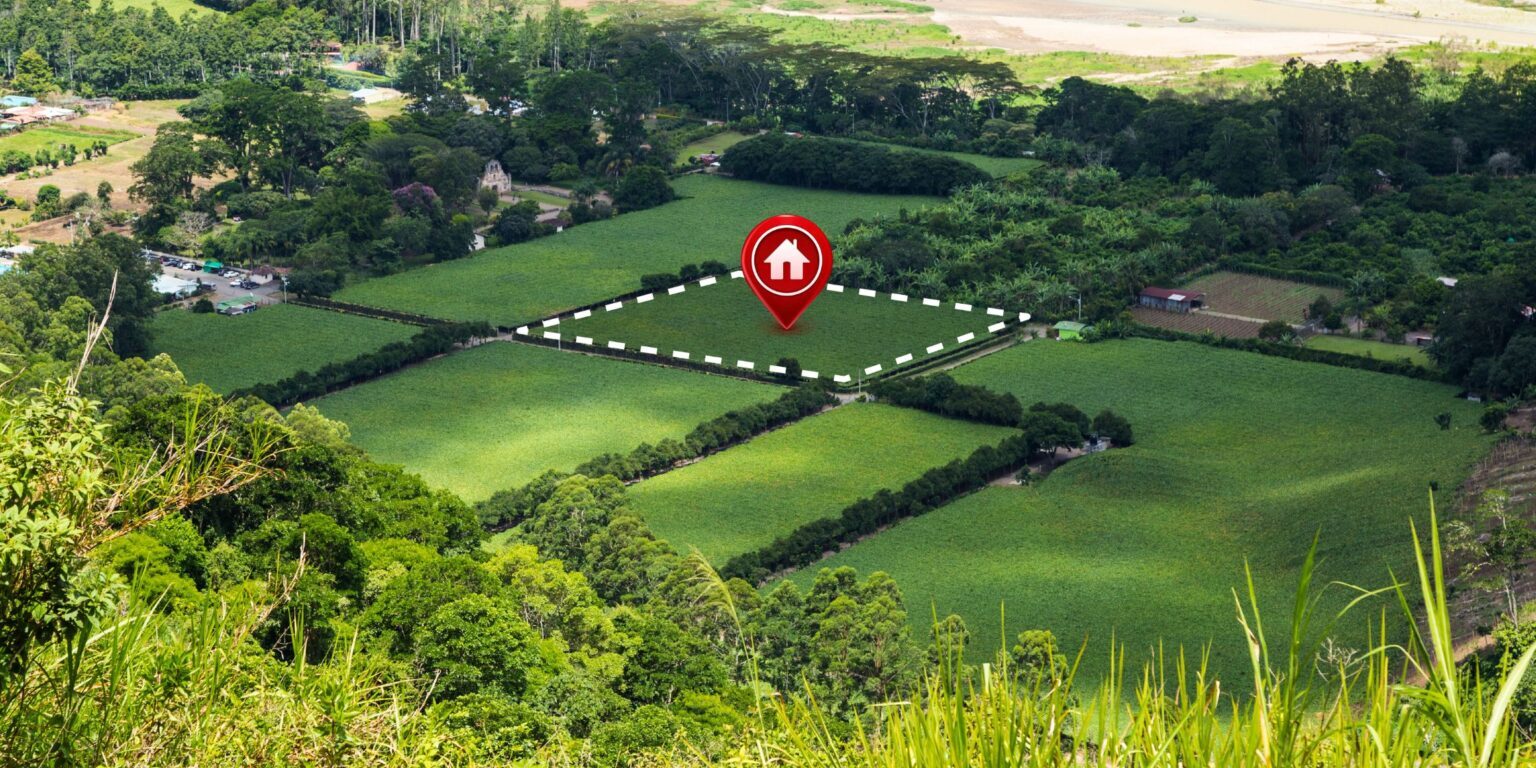
When you picture building your dream home, you probably imagine the floorplan, site features, the kitchen finishes, or where the kids will play in the backyard. What many people do not realise is that long before these decisions, the block of land you build on is what sets the tone for everything that follows.
The land is not just the stage for your build. It is the foundation that shapes design, cost, and construction from day one. Every slope, rock, tree, or easement has an impact. Some blocks make the process straightforward, others add complexity and cost. Knowing the difference before you start can save months of frustration and thousands of dollars.
In this article, I will break down the common features of a block, how they influence your build, and what you need to check before committing to a design or even before you buy land.
First Site features to Check on Any Block
The moment you look at a block, whether for purchase or because you already own it, there are several features to pay attention to. Some are obvious, like a steep slope or a row of large trees. Others are hidden below the surface, like reactive clay or a sewer line. Together, they shape what is possible and how much it will cost.
The key considerations are:
- Slope and gradient
- Soil conditions
- Access to the site
- Existing vegetation, rocks, or structures
- Easements and setbacks
- Underground and above-ground services
- Drainage and flood potential
Each of these can affect design flexibility, construction method, and budget. Let’s explore them in detail.
Slope and Gradient – The Hidden Cost of Uneven Land
A sloping block can look picturesque but it comes with hidden costs. Even a slight slope often requires cut and fill to level the building pad. This means excavation, moving soil, and potentially retaining walls. The steeper the slope, the greater the engineering required.
For mild slopes, solutions might include:
- Adjusted slab design to account for uneven ground.
- Modest retaining walls to support level areas around the home.
For significant slopes, you may need:
- Split-level designs, where the home steps down with the land.
- Substantial retaining walls or engineered platforms.
While these solutions allow you to build on sloping land, they come with added design complexity and higher costs for both engineering and materials.
Soil Conditions – What Lies Beneath
Soil type is one of the most influential yet overlooked features of a block. A site features with stable sandy or loamy soil makes construction easier and cheaper. But reactive clay or rocky ground can dramatically increase site costs.
- Reactive soils expand and contract with moisture, requiring stronger foundations and more expensive slabs to prevent cracking.
- Rocky sites increase excavation costs, slow down progress, and can require specialist equipment.
A soil test is essential early in the process to determine the classification and engineering requirements. Skipping this step risks major cost blowouts once construction begins.
Site Access – An Easy Block Saves Time and Money
Good access is one of the simplest ways to reduce building headaches, yet it is often overlooked. If your block is on a narrow street, behind another property, or has a steep driveway, getting machinery and materials onto site becomes challenging.
Poor access can mean:
- Smaller trucks or machinery, which increases labour time.
- Traffic management plans for busy roads.
- More manual handling, which slows down construction.
Blocks with wide frontage and flat driveways allow larger equipment and faster progress. It is something worth checking before you sign a land contract.
Vegetation, Rocks, and Existing Structures
What you see on the block is just as important as what you don’t. Large trees, stubborn rocks, or existing sheds and fences all add complexity.
- Trees may require removal, stump grinding, and sometimes council approval.
- Rocks discovered during excavation can delay site start and increase costs for footing design.
- Existing structures like old sheds or fences often need demolition and disposal.
Factoring these items into your budget from the outset avoids surprises later.
Easements and Setbacks – The Invisible Boundaries
Easements are areas of land reserved for services such as sewer, drainage, or power. They cannot be built over with permanent structures. Setbacks are council rules that dictate how close to the boundary you can build.
If your block has a sewer line along the rear, you may lose space for an alfresco or have to bring the home footprint forward. A side easement could restrict access to build a garage where you planned.
These invisible boundaries often catch buyers off guard. Before you buy, always check the title plan and ask your builder how any easements or setbacks will impact your usable building area.
Services and Utilities
Services such as water, power, gas, sewer, and stormwater are essential to connect your home. The challenge comes when these are not readily available.
- Unserviced blocks may require additional connection works, sometimes at significant cost.
- Overhead power lines can restrict crane access and require relocation.
- Underground cables or pipes may limit where you can dig or build.
The earlier you identify service locations, the better prepared you will be.
Drainage and Flood Risk
Blocks with poor drainage or located in flood-prone zones require specialist solutions. Stormwater may need to be redirected with surface grading or pumps. Flood-prone areas often require elevated homes, flood-resistant materials, and council approvals.
These measures are critical for compliance and long-term protection but add to overall costs. Skipping them is not an option.
Why Site Costs Matter So Much
Site costs are the expenses associated with preparing your land for construction. They include excavation, retaining walls, drainage, slab upgrades, and service connections. Because every block is different, site features costs vary dramatically.
If you have not allowed a buffer in your budget for site costs, you risk financial stress when real figures come through. We always recommend setting aside a buffer, especially if your land has slope, rocks, or is untested.
Our Process at Regional Home Builders
At Regional Home Builders, every project starts with a block review. We check slope, orientation, access, services, easements, and overlays. We highlight challenges early and recommend design solutions that suit your land.
Once the soil test and site survey are complete, we refine the design and price to match your block’s true conditions. This ensures there are no nasty surprises later, and that your design works with the land, not against it.
Your Block Shapes Everything
If there is one thing I wish every client understood, it is this: the block of land you choose is not just the place you build on. It is the single biggest factor that shapes the design, cost, and construction process.
The more you understand about slope, soil, access, vegetation, services, easements, and drainage, the more prepared you will be. With the right advice and a realistic plan, even a tricky block can be transformed into the perfect foundation for your dream home.
Explore the story of Regional Home Builders. Regional Home Builders is a proud member of APB and MBA.